01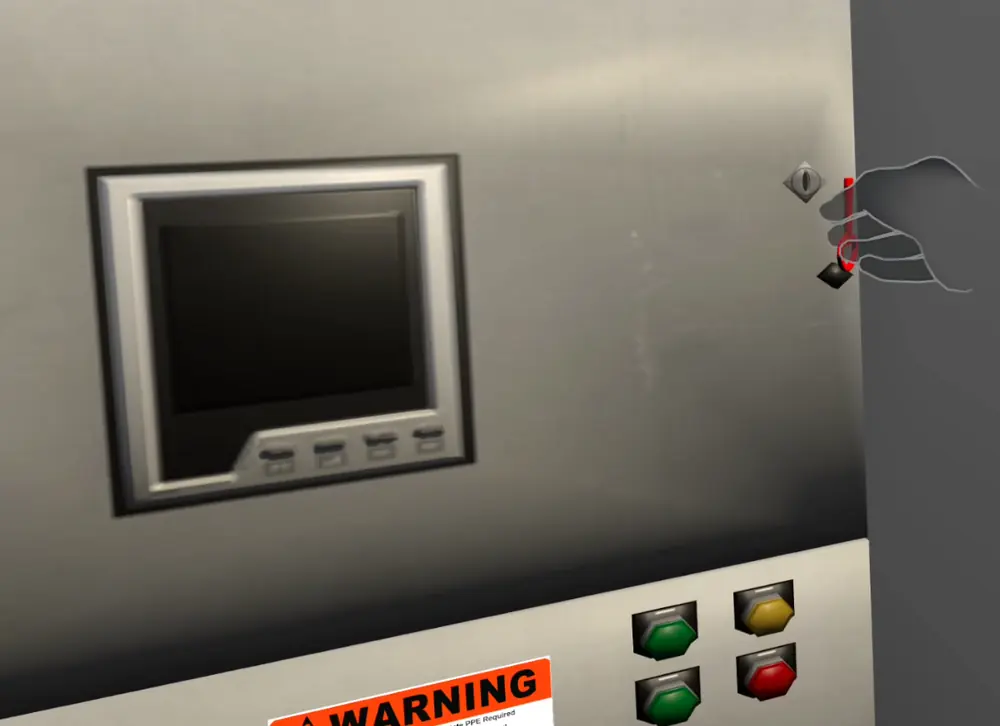
No safe place to rehearse
Electricians can't practise on live gear
Nobody opens an energized panel for practice. Without a simulator, the first time a worker runs the full sequence on your equipment is the real job.
US plants · NFPA 70E® training
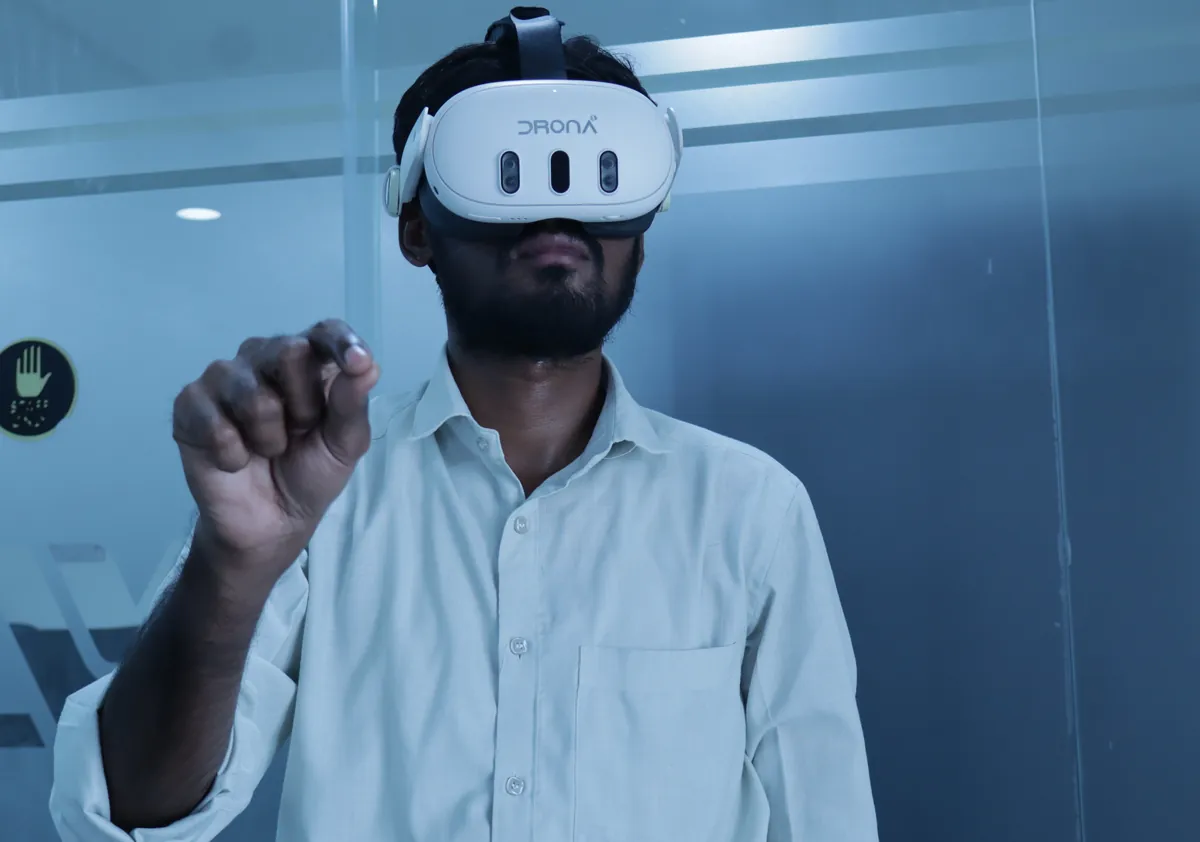
Drona Arc Flash is VR-based NFPA 70E® qualified person training that lets your electricians practise the full energized-work cycle on your own plant's arc flash labels, with a supervisor signing off each worker and a record your auditor can read.
VB Group · electrical safety engineering since 2007 · US office: Katy, Texas
Last reviewed:
* Drona deployment outside the US, measured by the plant. Your results depend on your programme.
Classroom-only NFPA 70E training proves a worker sat through the course, not that they can do the job on your switchgear. Qualified person status depends on demonstrated skill on specific equipment, and that is hard to show without energizing gear or pulling crews off shift.
Nobody opens an energized panel for practice. Without a simulator, the first time a worker runs the full sequence on your equipment is the real job.
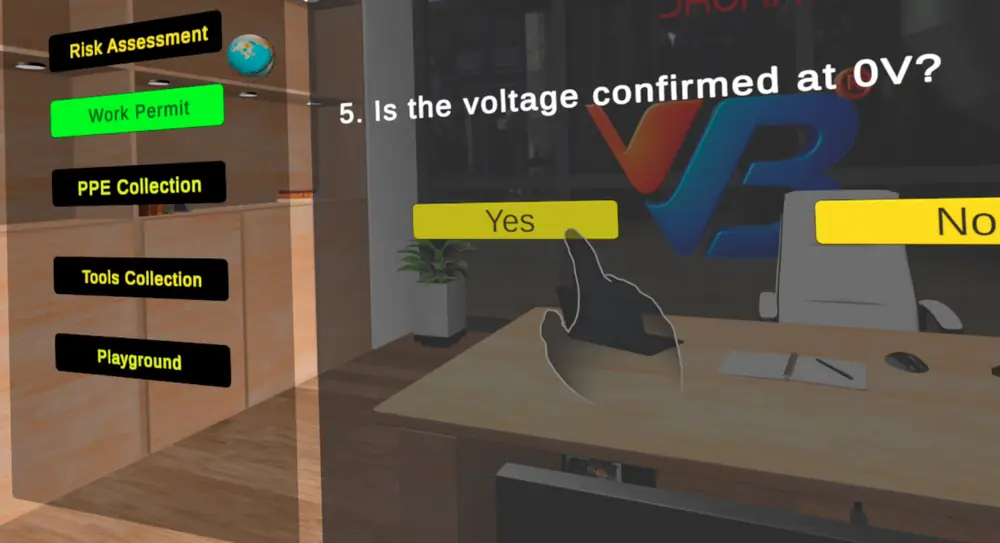
Auditors and insurers now ask what each worker can do, on which equipment, and who watched them do it. Course certificates rarely answer that.
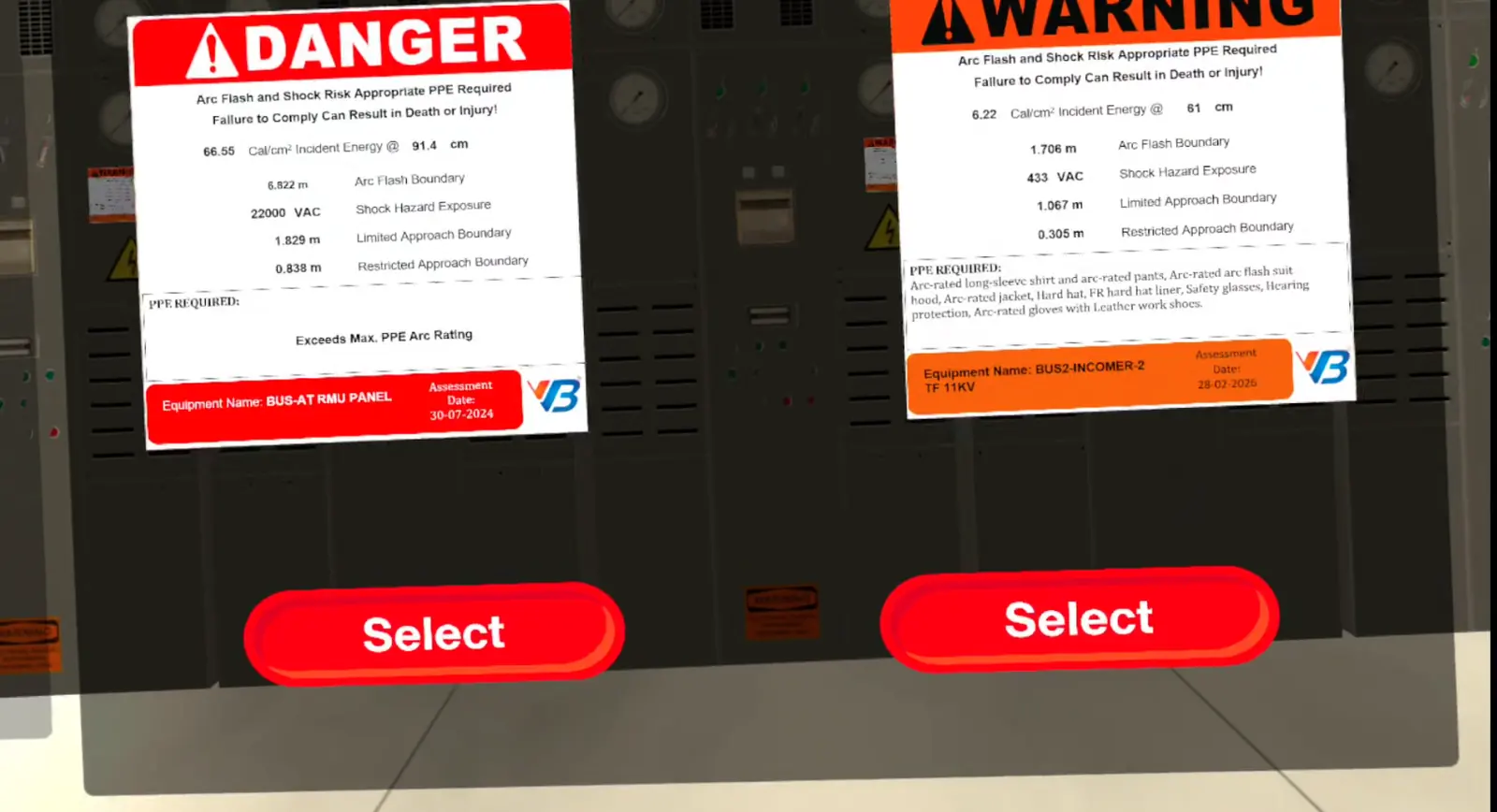
When your arc flash study is revised, incident energy, boundaries and PPE categories move. Crews need to relearn the new values before they work on that gear.
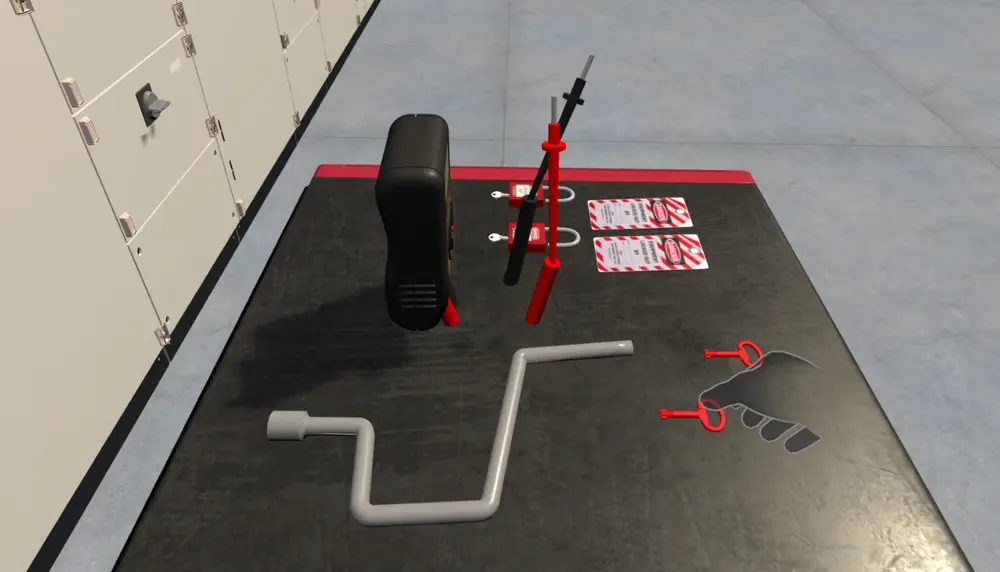
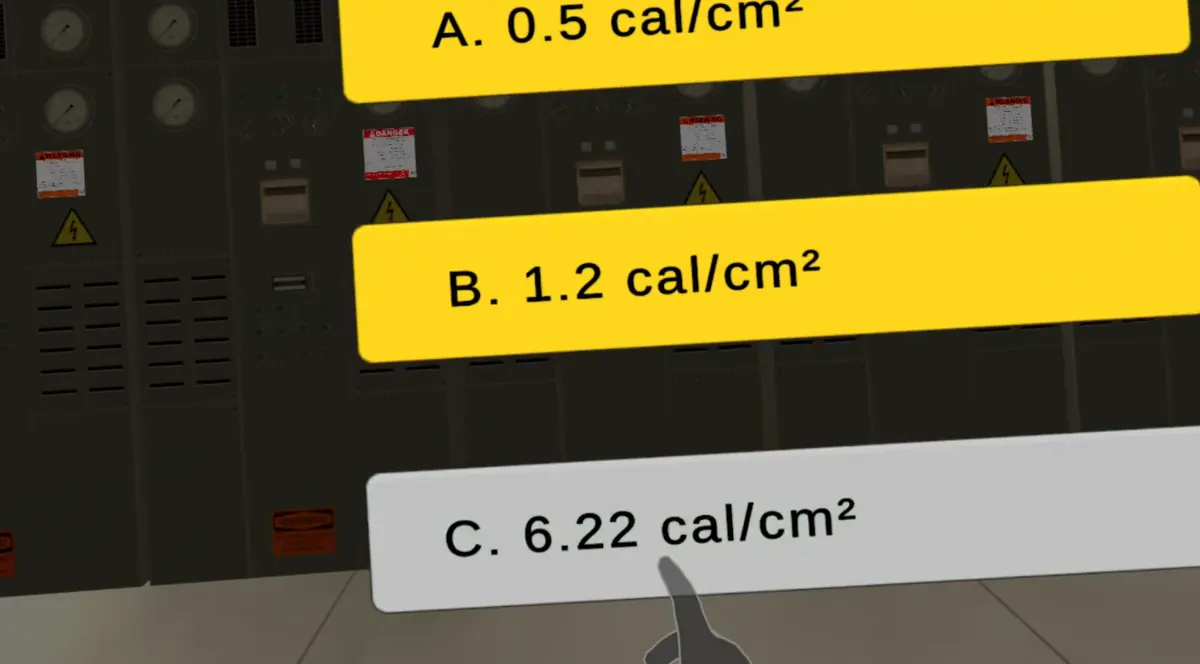
Your workers practise the four decisions that matter in energized work, in the order the job demands, using labels from your plant's arc flash study.
Each scenario uses the labels from your own arc flash study, so workers learn the incident energy and boundaries of the gear they maintain.
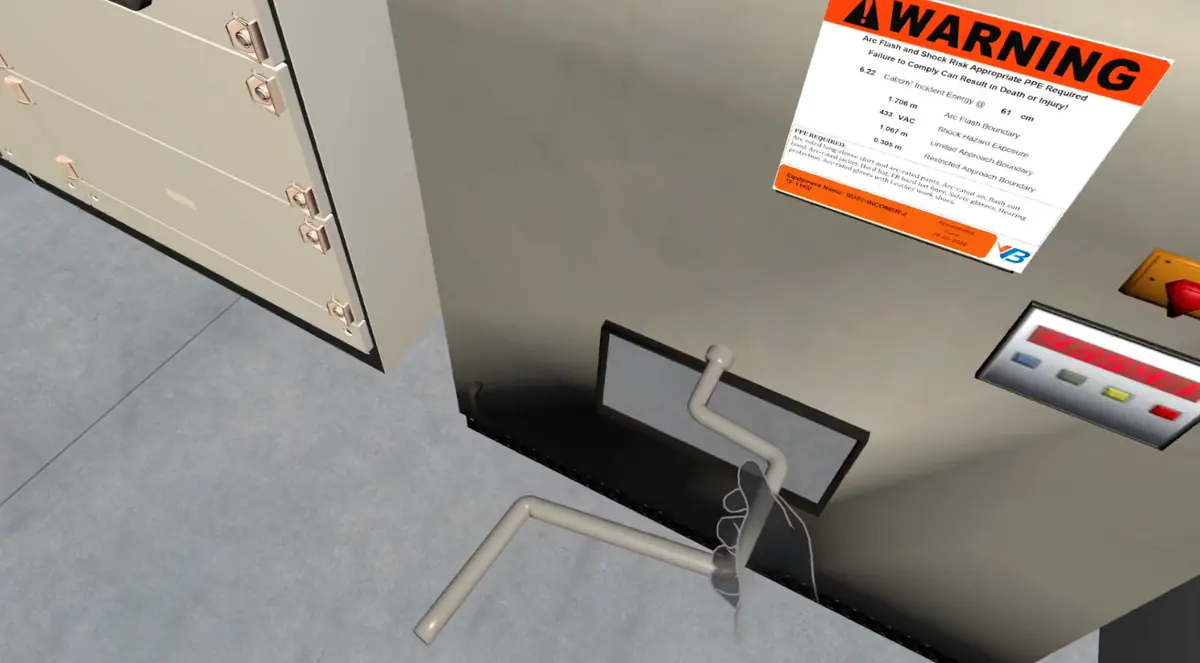
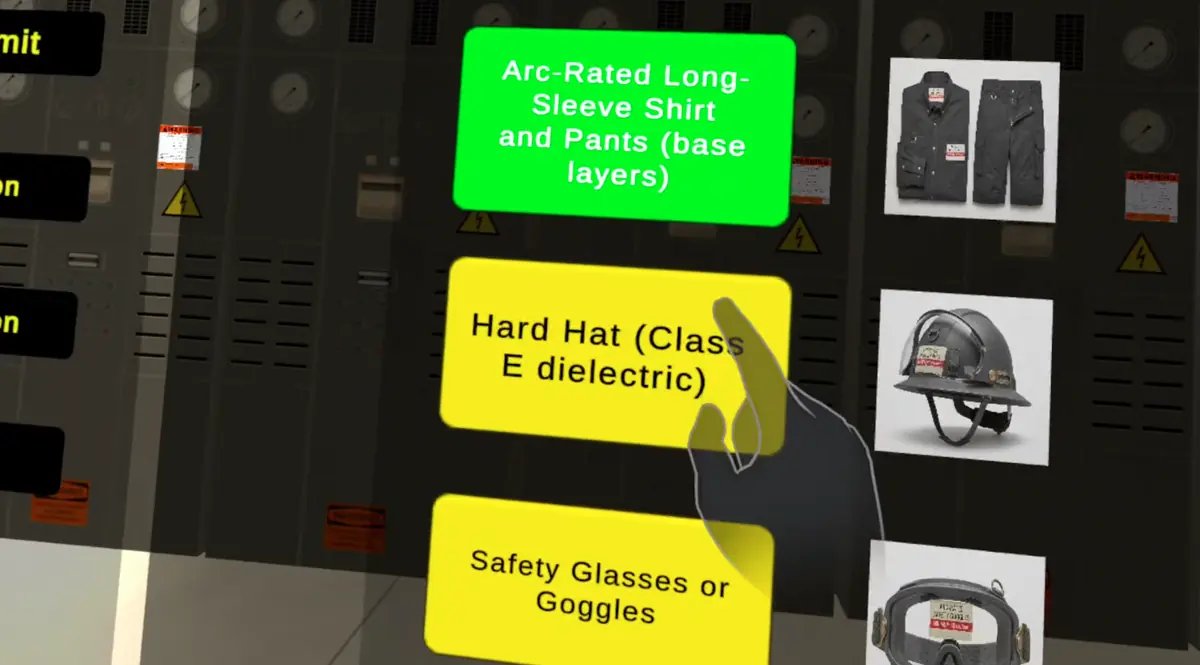
Workers choose the arc-rated suit, hood or face shield, and voltage-rated gloves the label calls for. In an assessed run, an under-rated choice fails the attempt.
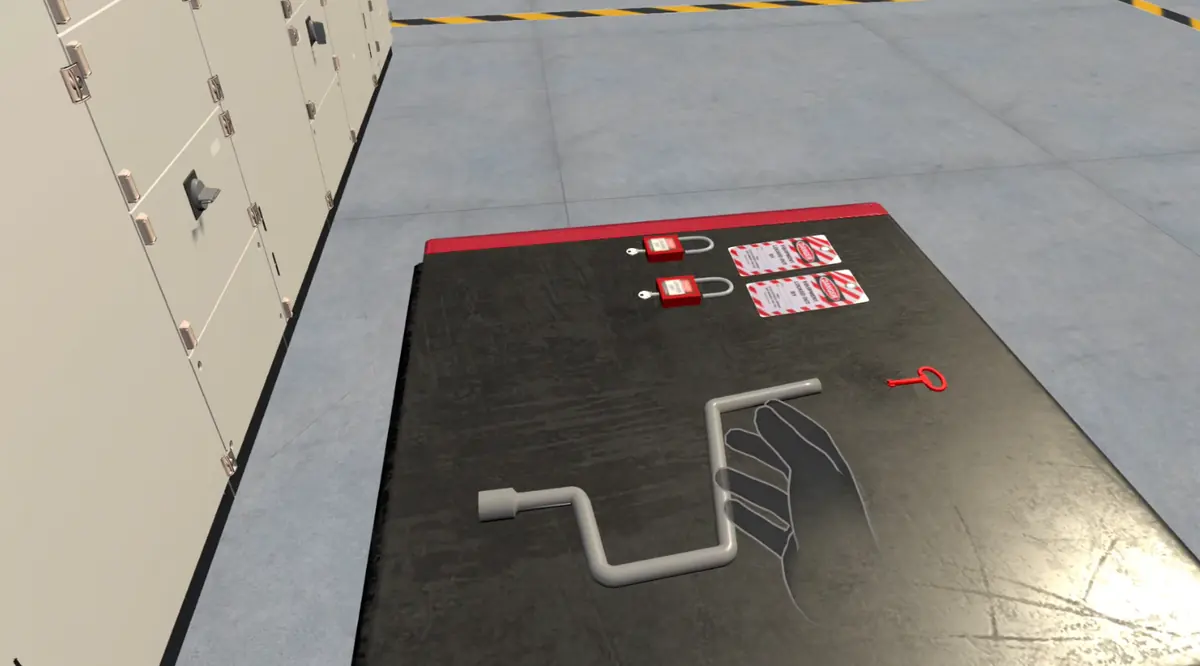
They isolate the source, fit locks and tags in the order your lockout procedure sets, and confirm the permit steps before touching the panel.
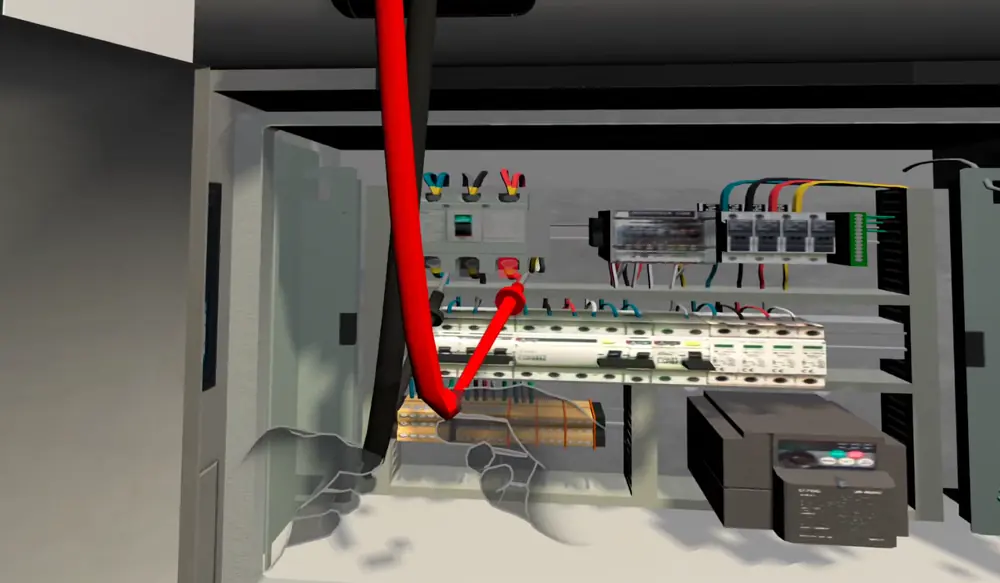
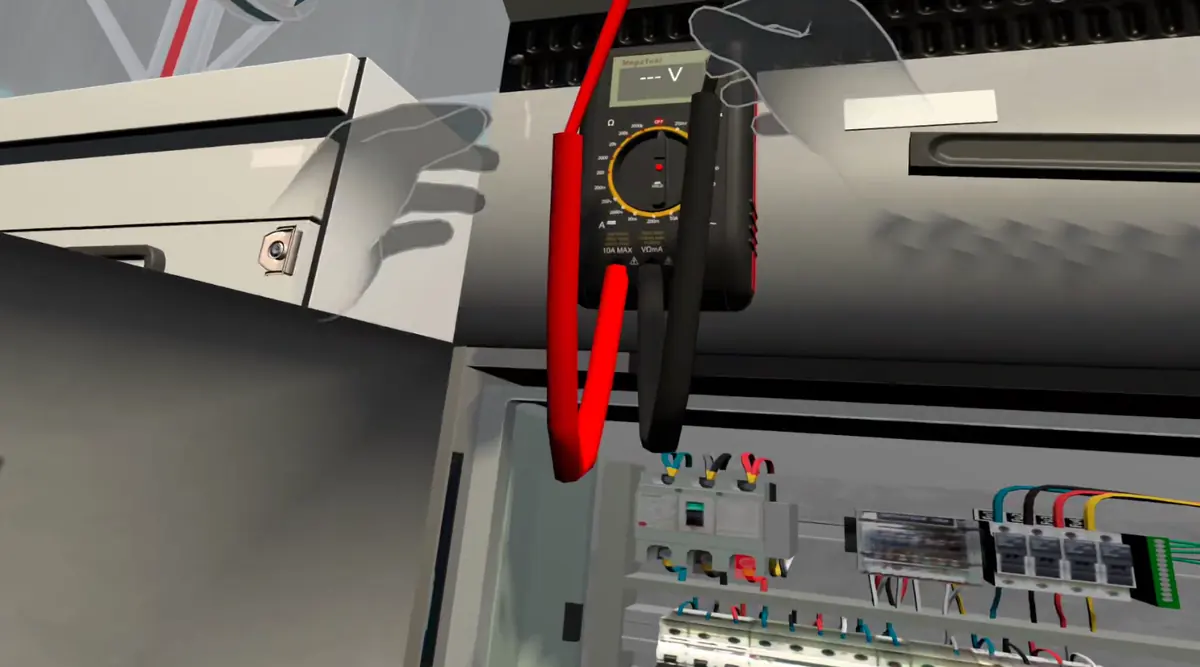
They test for absence of voltage the way the field requires: check the meter on a known source, test the conductors, then check the meter again.
Runs on standalone headsets with no PC: Meta Quest 3 and 3S, Pico 4 Enterprise and HTC Vive Focus. Scenario library and specifications: Arc Flash Safety module.
Every assessed session leaves a record your EHS team can file: the worker, the task, the equipment tag, the score and the supervisor who watched it live. It sits beside your field check-offs as evidence of demonstrated skill.
 Worker record · sample
Drona covers the practice and the evidence for the decision-making parts of qualified person training. Your plant keeps the field check-offs, emergency response training and the decision on who is qualified.
| Requirement | Drona covers | Your plant covers |
|---|---|---|
| Tell exposed energized parts from other parts and determine nominal voltage | Label reading and voltage identification in every scenario | Walkdowns of your actual equipment |
| Know the limited, restricted and arc flash boundaries | Boundary questions and positioning, scored | Observation during real work |
| Select PPE for the hazard | PPE choice matched to the label's incident energy | Fit, inspection and care of real PPE |
| Verify absence of voltage with a test instrument | The full sequence, scored step by step | Hands-on check-off with your meters |
| Supervised demonstration of proficiency, documented | Per-worker record with live supervisor sign-off | Designating who is qualified |
| Emergency response: contact release, CPR, AED | Not covered by the simulator | Annual contact-release and CPR/AED training with an accredited provider |
Based on NFPA 70E, Standard for Electrical Safety in the Workplace and OSHA 29 CFR 1910.332. Clause-level mapping to the 2027 edition is available on request. Drona supports NFPA 70E documentation and is aligned with NFPA 70E®; it does not replace your electrical safety programme.
Most plants start with a demo on their own labels, run a four-to-six-week pilot at one site, then roll out to further sites in eight to twelve weeks each.
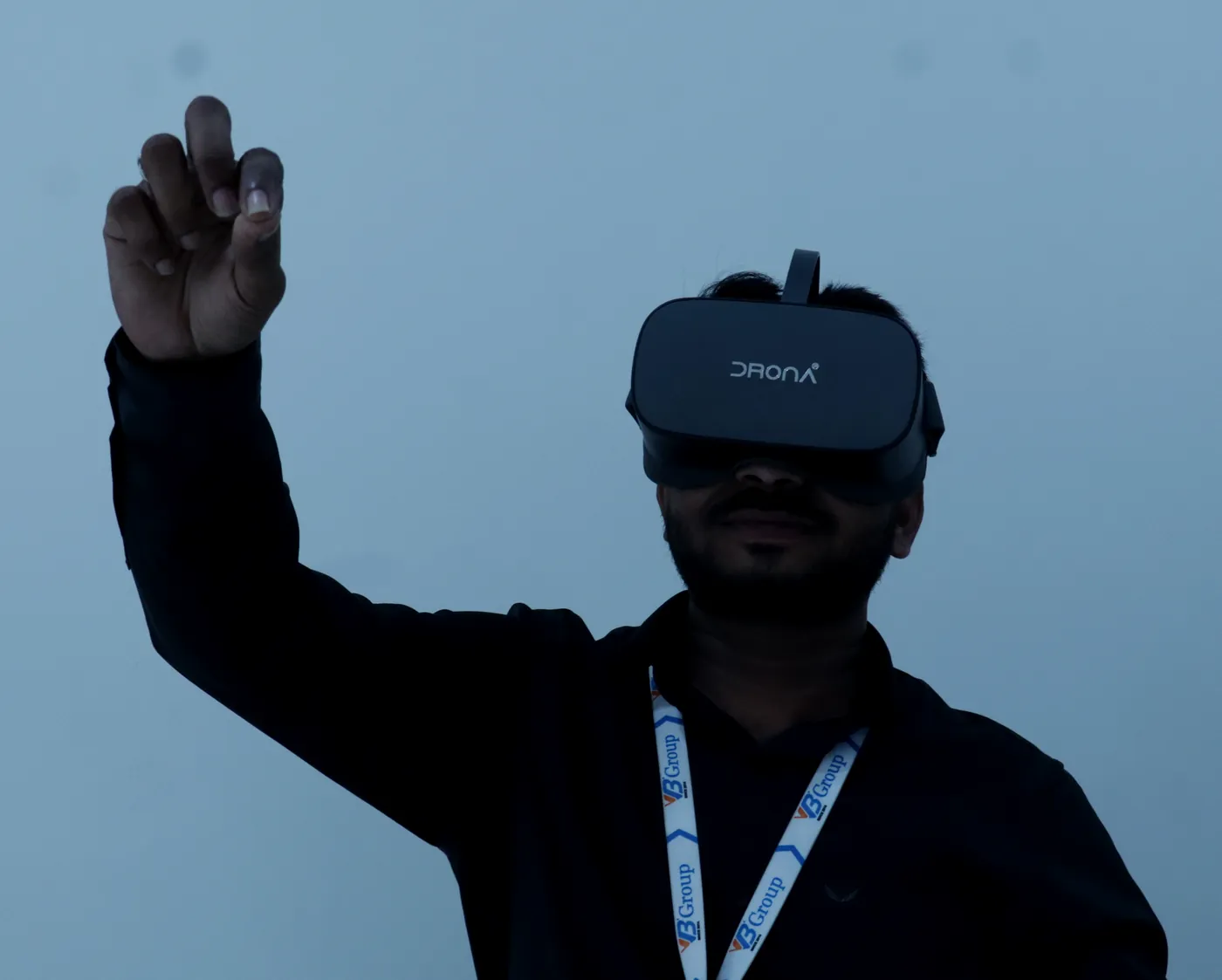
Direct from Drona, or through a local partner
Our Katy, Texas team runs demos and pilots directly, with on-site visits in Texas, Louisiana and Oklahoma and video demos elsewhere. If you already work with an NFPA 70E trainer or arc flash study firm, they can deliver Drona under their own brand.
Pricing is quoted per plant after a short discovery call. How Drona pricing works.
In the demo we walk through how a label from your plant becomes a scenario your crews run, and what the record looks like when they finish.
NFPA 70E qualified person training teaches electrical workers to recognise energized parts, determine voltage, keep safe approach distances, select PPE, and verify absence of voltage on the equipment they will actually work on. A worker counts as qualified only for the tasks and equipment where the employer has seen them demonstrate those skills.
Anyone who works on or near exposed energized equipment needs it: maintenance electricians, instrument technicians, operators who rack breakers or open panels, and the contractors doing that work on site. Unqualified staff who only work near electrical equipment need awareness training instead, which is shorter and does not cover energized tasks.
At intervals of no more than three years, and sooner when a worker changes equipment, a procedure changes, or a supervisor sees unsafe practice. Contact-release training is refreshed every year. When an arc flash study is updated, walk crews through the new labels before they work on that equipment.
It can support it. The standard sets what a qualified person must know and do, not the format, and it recognises classroom and on-the-job methods. Drona gives each worker hands-on practice and a scored, supervisor-attested record of the steps. Your supervisors still confirm skills in the field and your company still designates who is qualified.
Each Drona module runs 12 to 15 minutes on the headset, so crews can rotate through during a shift without taking equipment out of service. We recommend a guided run before the assessed attempt. A pilot at your first plant takes four to six weeks from kickoff to results.
No. Drona covers the decisions and sequence of energized work, such as reading the label, choosing PPE, applying lockout and testing for absence of voltage. Physical skills with real meters, gloves and locks still need a supervisor's field check-off. The Drona record and the field check-off together make a stronger file than either alone.
Yes. Drona modules run fully offline on standalone headsets, so training works in switchgear rooms and remote substations with no network. Each session's record is stored on the headset and syncs to your LMS when it next reaches a connected zone, such as the charging dock.
Drona quotes each plant after a short discovery call, because price depends on the number of workers, the equipment and labels to model, the headsets needed and whether training runs direct or through a local partner. Most plants start with a single-site pilot before a full rollout.
Tell us about your plant and our Houston-area team answers the next business day. We come to plants in Texas, Louisiana and Oklahoma; for every other state the demo runs over a video call.
NFPA 70E® is a registered trademark of the National Fire Protection Association. Drona VR is not affiliated with or endorsed by NFPA. Meta Quest, Pico and HTC Vive are trademarks of their respective owners; Drona runs on compatible hardware. More on Drona in the US: Drona VR United States.